How to Stay Ahead of Peak Demand


Every business encounters moments of a surge in demand, whether driven by seasonal rushes, unexpected trends, or global disruptions. The ability to respond swiftly and with control is what distinguishes companies that struggle from those that scale successfully. Preparing for peak or surge events is no longer optional; it’s a competitive necessity. From retailers navigating holiday shopping to manufacturers launching new products, scaling quickly while maintaining service levels and managing cost is central to building resilience and achieving long-term success.
The Baseline
Every surge-readiness strategy begins with a clear understanding of how your business operates today. Establishing a baseline means mapping the movement of goods, funds, and information across your supply chain—from suppliers to customers to returns.
This level of current-state understanding provides the foundation for identifying constraints, bottlenecks, and opportunities, informing where to focus and what to prioritize.

A strong baseline turns assumptions into data, allowing leaders to plan from reality, not guesswork.
The Network
A resilient network balances cost, speed, and capacity — and can flex when demand shifts or conditions change. Supply chain design plays a crucial role in building that balance, using data-driven modeling to identify how goods should move, where capacity should sit, and how partners can respond.

The right network design keeps your supply chain stable amidst volatility, ensuring customers get what they need, when they need it, while protecting your bottom line.
The Facilities
Your facilities are the engines that power every surge. Whether it’s a distribution center, fulfillment hub, or production line, the design of physical operations determines how effectively you can absorb spikes in volume.
Warehouse engineering ensures facilities are optimized for flow, flexibility, and safety. By designing layouts, storage strategies, and material handling systems that can flex with volume, businesses can scale output without compromising efficiency or accuracy.

When facilities are engineered for adaptability, your business gains the operational muscle to respond quickly and confidently to surging demand.
The Inventory
Inventory connects customer promise to operational capability. Too much creates cost and waste; too little leads to missed opportunities and lost sales. Inventory planning optimizes your balance, helping to ensure the right products are in the right place, at the right time, and in the right quantity.
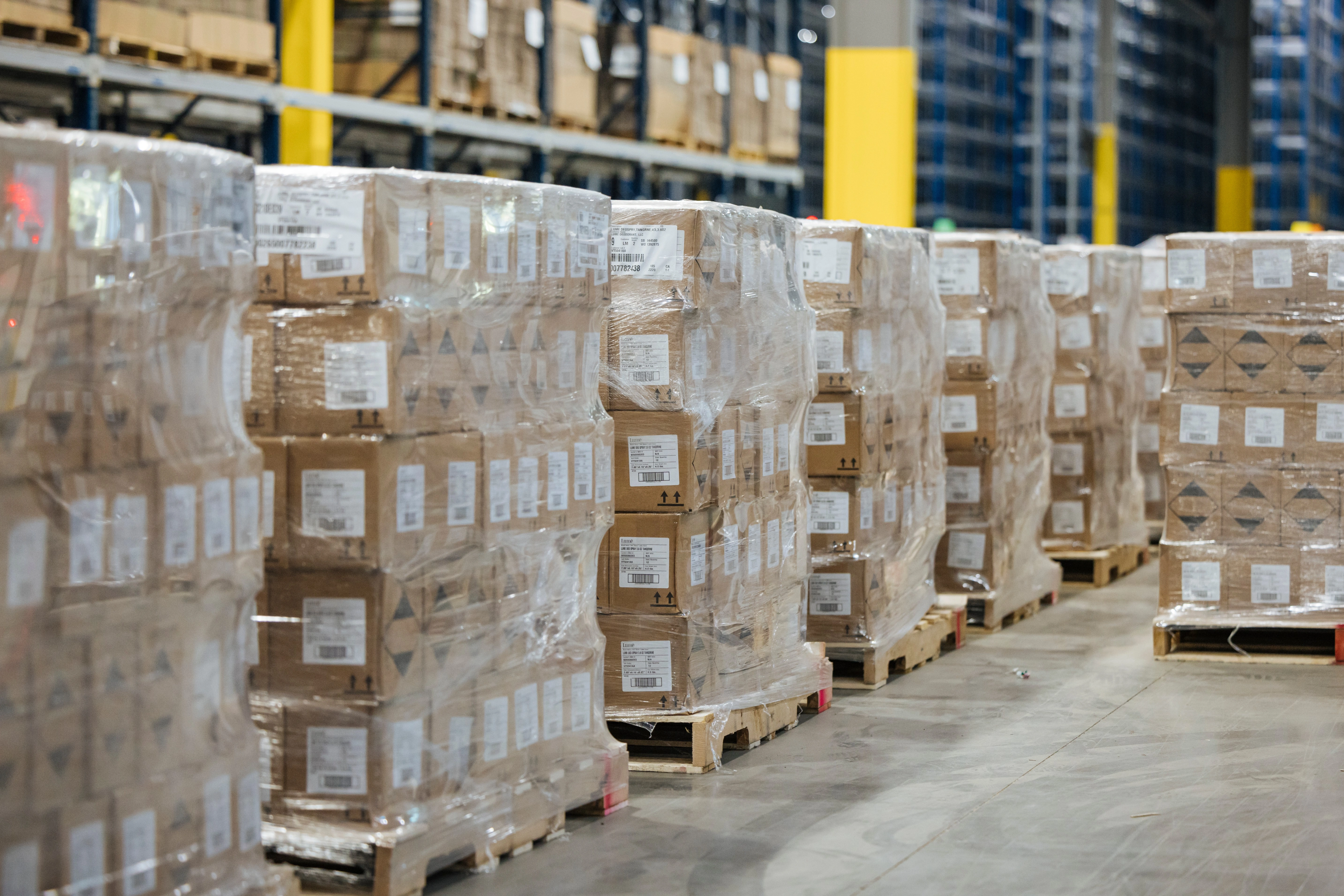
Optimized inventory is the bridge between preparation and performance, transforming volatility into reliability.
The Use of Technology
Technology is the unifying force that connects your baseline, network, facilities, and inventory into one cohesive ecosystem. Technology integration enables visibility, speed, and precision—the essentials of surge readiness. When data flows freely between interconnected systems, teams can make faster, smarter decisions and automate responses before issues escalate.

Technology turns data into visibility and control, empowering every function to perform in sync when demand surges.
Bringing these elements together—your baseline, network, facilities, inventory, and technology, requires cross-functional expertise that few organizations possess in-house.
It takes warehouse engineers who understand flow and capacity, supply chain designers who optimize complex networks, inventory planners who balance precision with flexibility, and technology experts who know how to connect data across every node. If your business doesn’t have all this expertise internally, consider partnering with a supply chain consultant. Consultants bring proven methods, modeling tools, and the experience to bridge strategy and execution, ensuring your surge readiness plan is not only well-designed but built to perform.
With expert guidance, your business can navigate any demand event with confidence—turning disruption into opportunity.

As Vice President of Design and Implementation teams at UPS Customer Solutions and with over 35 years of global logistics experience, David leads highly specialized, cross-functional teams that bring deep expertise across every facet of the supply chain.
From network design and inventory planning to warehouse engineering, automation, and sustainability, these teams operate at the intersection of strategy and execution. The consulting teams deliver integrated solutions that not only transform supply chains but also drive measurable financial performance and elevate the customer experience at every touchpoint.